Why Cottage Schools are Thriving in Cape Town
In recent years, small-scale schools have become a significant part of the educational landscape in Cape Town. These schools offer a unique approach to learning that contrasts with traditional large institutions. Parents and educators alike are noticing the benefits of these intimate learning environments. This blog post explores why small-scale schools in Cape Town are thriving and what makes them an attractive choice for many families.
The Appeal of Small-Scale Schools Cape Town
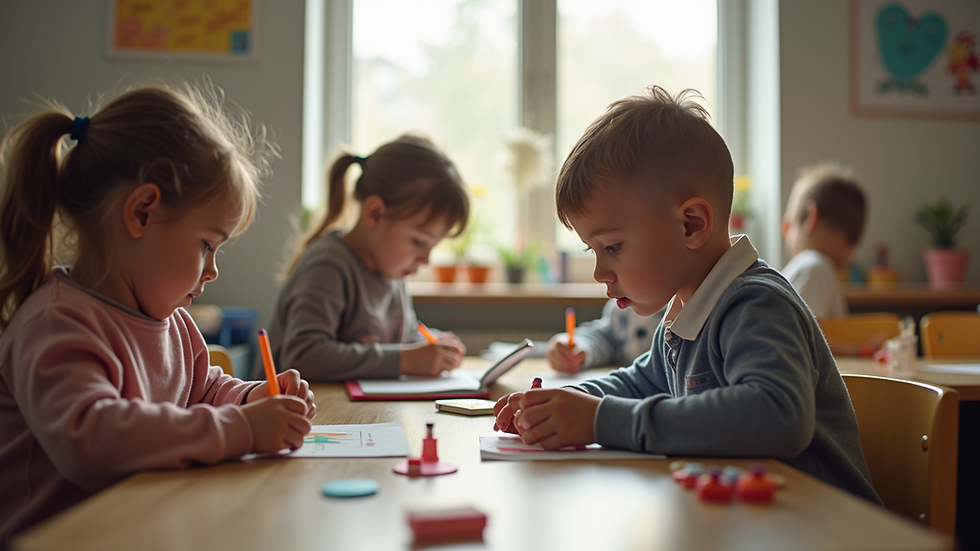
Small-scale schools in Cape Town provide a personalized education experience that larger schools often struggle to offer. With fewer students per class, teachers can focus more on individual needs. This leads to better academic support and stronger relationships between students and educators.
Some key advantages include:
Individualized attention: Teachers can tailor lessons to suit each student's learning style.
Close-knit community: Students and parents often feel more connected and involved.
Flexible curriculum: Schools can adapt teaching methods and content to better suit their students.
Reduced distractions: Smaller class sizes mean fewer disruptions and a more focused learning environment.
These factors contribute to a nurturing atmosphere where students can thrive academically and socially.

How Small-Scale Schools Cape Town Support Holistic Development
Beyond academics, small-scale schools emphasize the overall development of children. They often incorporate arts, sports, and life skills into their programs. This holistic approach helps students develop confidence, creativity, and critical thinking.
For example, many small schools in Cape Town offer:
Creative arts programs: Painting, music, and drama classes encourage self-expression.
Outdoor activities: Nature walks and sports promote physical health and teamwork.
Social skills development: Group projects and community involvement teach cooperation and empathy.
This well-rounded education prepares students not just for exams but for life beyond school.
The Role of Community and Environment in Small-Scale Schools
The location and community surrounding small-scale schools play a crucial role in their success. Many of these schools are situated in residential neighborhoods, making them accessible and familiar to families.
The environment often includes:
Safe, welcoming spaces: Schools prioritize creating a secure and friendly atmosphere.
Community involvement: Parents and local organizations frequently participate in school activities.
Connection to nature: Gardens and outdoor learning areas enhance the educational experience.
These elements foster a sense of belonging and encourage active participation from both students and their families.

Why Parents Choose Cottage Schools in Cape Town
One specific type of small-scale school gaining attention is the cottage schools in Cape Town. These schools are known for their warm, home-like settings and individualized teaching methods.
Parents often choose cottage schools because:
They offer flexible schedules that accommodate family needs.
The small class sizes ensure personalized attention.
The focus on emotional well-being helps children feel safe and supported.
They provide a calm and nurturing environment that reduces stress and anxiety.
For families seeking an alternative to mainstream education, cottage schools present a compelling option.
Practical Tips for Choosing the Right Small-Scale School
If you are considering enrolling your child in a small-scale school in Cape Town, here are some practical steps to help you make the best choice:
Visit multiple schools: Observe classes and speak with teachers and administrators.
Assess the curriculum: Ensure it aligns with your child’s learning needs and interests.
Check class sizes: Smaller classes usually mean more individual attention.
Consider location: Choose a school that is convenient and safe to reach.
Look for community involvement: Schools that engage parents and local groups often provide a richer experience.
Ask about extracurricular activities: A variety of programs can support your child’s holistic development.
Taking these steps will help you find a school that fits your child’s personality and educational goals.
The Future of Small-Scale Education in Cape Town
As more families seek personalized and supportive learning environments, small-scale schools in Cape Town are likely to continue growing. Their ability to adapt to individual needs and foster strong community ties makes them a sustainable alternative to traditional schooling.
Innovations such as blended learning, outdoor classrooms, and community partnerships will further enhance their appeal. For parents and educators looking for meaningful education options, small-scale schools offer a promising path forward.
Small-scale schools in Cape Town are more than just educational institutions - they are vibrant communities where children can flourish academically, socially, and emotionally. Whether you are exploring options for your child or interested in the future of education, these schools provide valuable insights into how learning can be personalized and enriched.


Comments