How Personalised Learning is Redefining Education
Education is evolving rapidly, moving away from traditional one-size-fits-all methods toward more tailored education approaches. These new strategies focus on meeting the unique needs of each learner, making education more effective and engaging. This shift is transforming classrooms and learning environments worldwide, offering students a chance to thrive in ways that suit their individual strengths and challenges.
The Rise of Tailored Education Approaches
Tailored education approaches are designed to adapt teaching methods, materials, and pace to fit each student's learning style and abilities. Unlike conventional education, where all students follow the same curriculum at the same speed, tailored approaches recognize that every learner is different.
For example, some students may grasp concepts quickly through visual aids, while others benefit from hands-on activities or verbal explanations. Tailored education allows teachers to customize lessons accordingly, improving comprehension and retention.
Benefits of tailored education approaches include:
Increased student engagement and motivation
Better academic performance
Enhanced critical thinking and problem-solving skills
Greater confidence and independence in learning
Schools are now integrating technology, such as adaptive learning software, to support these approaches. These tools analyze student progress and adjust content in real-time, ensuring that learners receive the right level of challenge and support.
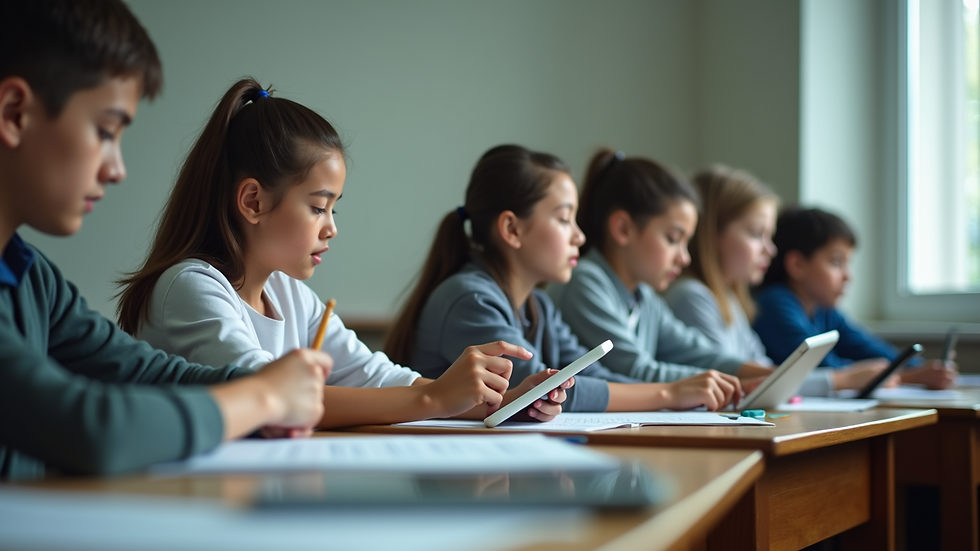
How Technology Supports Tailored Education Approaches
Technology plays a crucial role in enabling tailored education. Digital platforms can track individual progress, identify strengths and weaknesses, and suggest personalized activities. This data-driven approach helps educators make informed decisions about instruction.
For instance, learning management systems (LMS) can provide personalized quizzes and assignments based on each student's performance. Virtual reality (VR) and augmented reality (AR) offer immersive experiences that cater to different learning preferences, such as visual or kinesthetic learning.
Teachers can also use communication tools to collaborate with students and parents, ensuring that learning goals align with each student's needs. This holistic approach fosters a supportive learning community.
Practical ways to implement technology in tailored education:
Use adaptive learning software to customize lessons.
Incorporate multimedia resources to address various learning styles.
Employ data analytics to monitor progress and adjust teaching strategies.
Facilitate online discussions and feedback sessions.
Provide access to educational apps that reinforce classroom learning.
By embracing technology, schools can create a more inclusive and effective learning environment that respects individual differences.
What is a PLG in School?
A PLG, or Professional Learning Group, is a collaborative team of educators who work together to improve teaching practices and student outcomes. In the context of tailored education approaches, PLGs focus on sharing strategies, resources, and insights to better meet diverse learner needs.
PLGs encourage continuous professional development and foster a culture of innovation within schools. Teachers discuss challenges, experiment with new methods, and analyze student data collectively. This teamwork leads to more effective implementation of personalized learning strategies.
For example, a PLG might explore how to integrate technology tools that support differentiated instruction or develop assessment techniques that capture individual progress more accurately.
Key features of PLGs include:
Regular meetings for collaboration and reflection
Shared goals focused on student success
Use of evidence-based practices
Supportive environment for risk-taking and experimentation
By participating in PLGs, educators enhance their skills and contribute to a school-wide commitment to tailored education.

Examples of Tailored Education Approaches in Practice
Many schools worldwide have successfully adopted tailored education approaches, demonstrating their positive impact on student learning.
Project-Based Learning (PBL): Students work on real-world projects that align with their interests and abilities. This method encourages creativity, critical thinking, and collaboration.
Flipped Classroom: Students review instructional content at home through videos or readings, then engage in interactive activities during class. This approach allows teachers to provide individualized support.
Competency-Based Education: Students progress based on mastery of skills rather than time spent in class. This system accommodates different learning speeds and styles.
Individualized Education Programs (IEPs): Customized plans for students with special needs, ensuring they receive appropriate accommodations and support.
These approaches share a common goal: to create a learning environment where every student can succeed according to their unique potential.
How to Foster a Personalised Learning Experience
Creating a personalised learning experience requires intentional planning and commitment from educators, parents, and students. Here are actionable recommendations to foster such an environment:
Assess individual learning styles and preferences: Use surveys, observations, and assessments to understand how each student learns best.
Set clear, personalized goals: Collaborate with students to establish achievable objectives that motivate and challenge them.
Differentiate instruction: Provide varied materials and activities that cater to diverse needs.
Encourage student choice and voice: Allow learners to select topics, projects, or methods that interest them.
Use formative assessments: Regularly check understanding and adjust teaching accordingly.
Provide timely feedback: Offer constructive comments that guide improvement.
Engage families: Keep parents informed and involved in their child's learning journey.
By implementing these strategies, educators can create a dynamic and responsive learning environment that supports all students.
The Future of Education is Personalized
The shift toward tailored education approaches signals a promising future for education. As technology advances and our understanding of learning deepens, personalized education will become the norm rather than the exception.
Schools that embrace these changes will better prepare students for the complexities of the modern world. They will nurture lifelong learners who are adaptable, confident, and capable of reaching their full potential.
Investing in tailored education approaches is not just about improving academic outcomes; it is about transforming lives and communities through meaningful, individualized learning experiences.



Comments