Building an Inclusive Learning Environment: Creating Inclusive Classrooms for Every Child
Creating classrooms where every child feels valued and supported is essential for their growth and success. When education adapts to the diverse needs of students, it fosters confidence, curiosity, and a love for learning. This blog post explores practical ways to build an inclusive learning environment that nurtures each child’s unique potential.
Understanding the Importance of Creating Inclusive Classrooms
Inclusive classrooms are designed to welcome students of all backgrounds, abilities, and learning styles. This approach goes beyond physical accessibility; it embraces diversity in culture, language, and cognitive needs. Creating inclusive classrooms means:
Recognizing and respecting differences
Providing equitable access to learning materials and activities
Encouraging collaboration and empathy among students
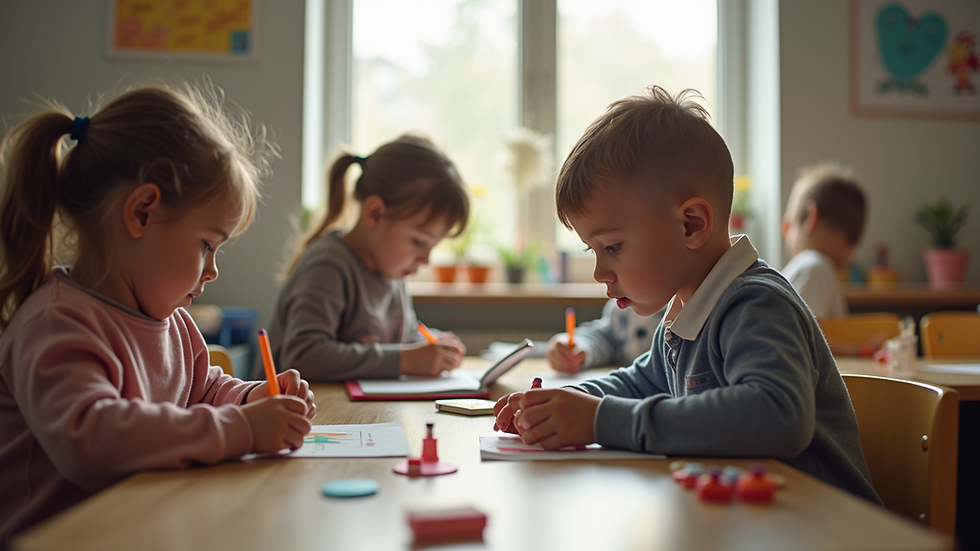
For example, a classroom that includes visual aids, hands-on activities, and flexible seating options can accommodate students who learn best through different methods. This flexibility helps reduce frustration and increases engagement.

Classroom setup with varied learning tools to support different learning styles
Practical Strategies for Creating Inclusive Classrooms
Building an inclusive learning environment requires intentional planning and ongoing effort. Here are some actionable strategies:
1. Use Differentiated Instruction
Tailor lessons to meet the varied needs of students by offering multiple ways to access content and demonstrate understanding. For instance:
Provide reading materials at different levels
Use audio and visual resources alongside text
Allow students to choose how they complete assignments (e.g., written report, presentation, or creative project)
2. Foster a Supportive Classroom Culture
Create a safe space where students feel comfortable expressing themselves. Encourage respect and kindness through:
Classroom agreements co-created with students
Regular discussions about empathy and diversity
Celebrating cultural events and traditions
3. Incorporate Assistive Technologies
Technology can bridge gaps for students with disabilities or language barriers. Examples include:
Text-to-speech software for students with reading difficulties
Translation apps for multilingual learners
Interactive whiteboards to engage visual and kinesthetic learners
4. Provide Professional Development for Educators
Teachers benefit from training on inclusive practices, cultural competence, and recognizing unconscious bias. This knowledge equips them to better support all students.
Designing Physical Spaces That Support Inclusion
The physical environment plays a crucial role in accessibility and comfort. Consider these design elements:
Flexible seating arrangements that allow movement and choice
Quiet zones for students who need a calm space
Clear signage with symbols and multiple languages
Accessible furniture and pathways for mobility devices
A well-designed classroom reduces barriers and promotes independence.

Flexible seating and quiet areas designed to support diverse student needs
Encouraging Family and Community Engagement
Involving families and the wider community strengthens the support network for students. Ways to encourage engagement include:
Hosting regular family workshops on inclusive education
Creating communication channels that respect language preferences
Inviting community members to share their experiences and cultures
This collaboration helps build trust and reinforces the value of diversity.
Supporting Social and Emotional Learning
Academic success is closely linked to emotional well-being. Inclusive classrooms prioritize social and emotional learning (SEL) by:
Teaching skills like self-awareness, empathy, and conflict resolution
Providing opportunities for peer mentoring and group work
Offering access to counseling and mental health resources
SEL fosters resilience and positive relationships, essential for a thriving learning community.
Moving Forward with Inclusive Education
Building an inclusive learning environment is a continuous journey. It requires commitment from educators, families, and communities to create spaces where every child can flourish. By embracing diversity and adapting to individual needs, schools can become places of belonging and growth.
Personalized education models, like those offered at Schoolhouse Learning Centre, exemplify how tailored approaches help students succeed academically and emotionally. These environments nurture happy learners and satisfied parents, creating a strong foundation for lifelong learning.
By implementing these strategies, schools and educators can transform classrooms into inclusive spaces that celebrate every child’s potential. The benefits extend beyond academics, shaping compassionate, confident individuals ready to contribute to a diverse world.


Comments